

Clinician’s Corner – Educational Content for Clinical Directors,
Chief Dental Officers, Clinical Boards and the Entire Clinical Team.
Sponsored by Ivoclar
As DSOs grow and operations become more complex, clinical hygiene continues to stand out as one of the most strategically important and most challenging areas to manage. Hygiene teams are at the core of preventive care and patient experience, which places added pressure on them to embrace new technologies, meet higher productivity standards, and manage increasing burnout risks.
Successfully navigating these demands requires more than strong internal processes. DSOs benefit from partnering with organizations that provide clinical expertise, hands-on training, and ongoing support. The right partner helps evaluate and integrate new products and protocols, smooths adoption across multiple locations, and ensures consistent, high-quality care without overburdening clinicians.
In a recent Group Dentistry Now podcast, hygiene leaders from two national DSOs joined Ivoclar’s Prevention and Care team to discuss one shared question:
How can DSOs implement effective clinical hygiene initiatives at scale, and what role should industry partners play in that process?
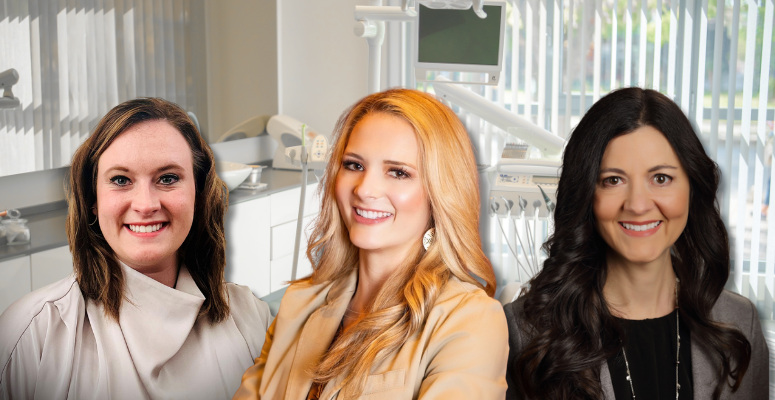
Podcast participants included:
- Marissa Buess, RDH – National Prevention and Care Sales Specialist, Ivoclar
- Andrea Edelen, RDH – Director of Hygiene and Clinical Support, Mortenson Dental Partners
- Jerin Murray, RDH – Director of Hygiene, InterDent
Their conversation offered a powerful look at how DSOs can elevate clinical hygiene and how partnering with Ivoclar has supported that evolution for both organizations.
How DSOs Approach Large-Scale Clinical Rollouts
After discussing the growing complexity surrounding clinical hygiene, both Andrea Edelen from Mortenson Dental Partners and Jerin Murray from InterDent shared how they’ve successfully implemented large-scale hygiene initiatives across their networks. Rolling out a new product or protocol across 50, 100, or even 150+ practices requires more than selecting the right material. It takes a framework that ensures clinical alignment, operational clarity, and strong on-the-ground support for hygienists.
Both DSOs follow four key steps that make large-scale rollouts succesfull:
1.Start with Clinician Feedback
Both organizations rely on structured channels for hygienists to submit ideas, requests, or workflow challenges. This early input ensures that any potential product or protocol truly aligns with clinical needs rather than being imposed from the top down. “Success begins with defining a shared vision—one that leadership and providers understand and can rally behind,” said Andrea.
2. Engage Clinical Committees Early
Doctor-driven committees, such as Mortenson’s Clinical Affairs team and InterDent’s Clinical Advisory Board, play a critical role in reviewing products for efficiency, patient impact, and real-world practicality. Their evaluation helps ensure clinical credibility and reduces friction later in the process.
3. Test, Pilot, and Refine
Before anything is scaled systemwide, both DSOs rely heavily on pilot programs. Hygienists test the materials on patients, provide feedback, assess workflow integration, and help refine patient communication. These insights directly shape the final protocol. “Real clinician buy-in and testimonial is key to getting these off the ground,” Jerrin said.
4. Align Leadership and Communicate the “Why”
Clear, consistent messaging from leadership, paired with peer-to-peer advocacy from early adopters, helps build trust and momentum. When clinicians understand the “why” behind a change, adoption becomes smoother and more sustainable.
The Value of a True Industry Partner
This approach highlights why having the right industry partner is so important during a large-scale rollout. DSOs rely on manufacturers who can support each phase of the process with expert-led research, training, and hands-on expertise, rather than simply supplying a product.
“Because I am the hygiene leadership team at Interdent, I rely heavily on partnership with my vendors. The in-office demonstrations, the trainings, the implementation supplies, and then the ongoing monthly new clinician trainings Ivoclar has offered have been crucial,” said Jerin Murray with InterDent.
Ivoclar as a Case Example of Strategic Partnership
Within the discussion, Ivoclar emerged as a clear example of the type of partner DSOs value: one that brings education, clinical insight, and implementation support to every stage of the process. “A true partnership wants to build with you and not just sell you a product. My experience with Ivoclar has been very similar to what Jerin said,” mentioned Andrea.
Marissa Buess from Ivoclar summarized the company’s philosophy:
“We lead with education and with the why — why it matters, how it works, and how it benefits the patient.”
Ivoclar’s approach includes:
- Evidence-based education that supports clinical decision-making
- Customized training models tailored to DSO workflows
- Hands-on support throughout evaluation, piloting, and rollout
- A long-standing commitment to shifting dentistry from repair to prevention
This commitment has been especially evident in recent hygiene-focused initiatives.
Case in Point: Cervitec Plus Rollout
Cervitec Plus, an advanced chlorhexidine-thymol varnish, has historically been overshadowed because Ivoclar is best known for its restorative line. But both Mortenson and InterDent identified strong preventive value in the material and moved it into evaluation.
Mortenson explored Cervitec Plus after regions flagged gaps in available adjunctive services and concerns over high-cost alternatives. Ivoclar met with their clinical board and procurement, provided an implementation guide, trained the hygiene subcommittee, and sent samples for evaluation. The Georgia region received office-by-office lunch-and-learns and a regional CE session, followed by broader company-wide CE support complete with a KOL speaker, promotional assistance, and post-CE surveys. Clinicians validated the need for a fluoride alternative, and Cervitec Plus was added to the formulary, including a cost-saving tube format.
“Most importantly, Ivoclar stays engaged. They visit practices, answer questions, and help spotlight early wins, keeping momentum strong long after launch,” mentioned Andrea. Ivoclar continued supporting Mortenson through regional follow-ups, Summit attendance, and leadership engagement opportunities, reinforcing a smooth, high-confidence rollout across the organization.
Similarly, InterDent introduced Cervitec Plus after identifying a need for a lower-cost preventive adjunct. A four-office pilot, supported by Ivoclar’s hands-on training, led to Clinical Advisory Board approval. Ivoclar then helped build patient materials, an implementation guide, and provided regional and company-wide trainings, plus ongoing new-hire education. “There’s no need to recreate the wheel with training materials. A lot of this can be mostly done for you by a great vendor partner like Ivoclar,” Jerin said.
Throughout the process, Ivoclar remained closely involved with the InterDent team, answering questions, supporting communication, and collaborating on engagement activities, which made the systemwide rollout smooth and clinically consistent.
This partnership-first approach illustrates how DSOs and manufacturers can work together to bring preventive solutions to scale in a way that empowers hygiene teams rather than overwhelming them.
Why This Matters for the Future of DSOs
As DSOs continue to grow and scale, hygiene plays an increasingly critical role in operational stability, clinical consistency, and patient outcomes. Supporting hygienists at scale requires more than internal processes. It demands strong, education-forward partnerships that enhance both clinical excellence and confidence. “When you pair the right initiative with the right partner, you improve outcomes, strengthen teams, and enhance the patient experience,” said Andrea.
The conversation among Mortenson, InterDent, and Ivoclar makes one thing clear:
When DSOs and clinical partners collaborate effectively, the result is stronger hygiene teams, more consistent preventive care, and better dentistry overall.
Ready to elevate clinical hygiene across your organization?
Partner with Ivoclar for education-led training and implementation support.
To get started, contact Sean Finn at Sean.Finn@ivoclar.com or connect with your local Ivoclar representative: Sales Rep Finder | Ivoclar USA