
The Dental System
According to Wikipedia, a system is a group of interacting or interrelated elements that act according to a set of rules to form a unified whole. A system, surrounded and influenced by its environment, is described by its boundaries, structure, and purpose, and expressed in its functioning.
Dentistry has been virtually an autonomous system, an essentially closed system, with circumscribed boundaries, defined by well-honed structures and legacy systems, whose purpose is well-established and dutifully obeyed by the stakeholders within the system.
Systems thinking is a holistic approach to analysis that focuses on the way a system’s constituent parts interrelate and how systems work overtime and within the context of larger systems. The larger system, in this case, is the healthcare system, which until recently was apathetic to dentistry.
As contrasted with traditional analysis, which studies systems by breaking them into separate elements, the systems thinking approach looks at the whole. Systems thinking has been used in many areas, and it has been applied in medicine, the environment, politics, economics, human resource, education, and now the dental system.
All the stakeholders in the dental industry have established their business strategies, arranged their physical and HR assets, and set up their internal and external relationships to succeed in this system. They are locked in.
Dentists, DSOs, suppliers, vendors, advisors, dental media, dental education, clearinghouses, dental insurers, lobbyists, and equity partners are all in lockstep to keep the system as is. Everyone knows, the system as established makes good money even in the worst conditions.
According to systems thinking, system behavior results from the effects of reinforcing and balancing processes. A reinforcing process increases some system components to counter any force that threatens the system.
A recent example of the dental system keeping its balance would be the increased money and time spent on lobbying efforts to eliminate the threat of Medicare. Senators, Congressmen and Congresswomen were surely intensely lobbied.
If a balancing process does not provide reinforcement, it eventually leads to the system’s collapse. And given the strong margins produced for everyone in the dental system, its consistently solid financial performance provokes a “Don’t mess with Texas” attitude.
The dental system knows how to pump up its constituents to generate energy for balancing against opposing forces. Look at the flood of articles, blogs, gossip, political rhetoric, all yelling “the end is near” if Medicare provides dental benefits. The plethora of e-mails, texts, Facebook posts, phone calls, and Zoom interactions exploded.
The system kept itself in place with this disruption. The systems balance has continued to be maintained. Dental was cut out Medicare. But what must be recognized, now it is a public conversation. Public conversations have a direct impact, and usually point to future threats to the stability of the dental system.
My view, in this fight, Medicare were the “beginning rounds” of sustaining the dental system as constituted. Don’t bet on the dental system making it to the “final round.” I always bet on the metasystem.
The Dental System and the Metasystem
Dentistry has always operated within a self-reinforcing system that has repelled integration into the larger healthcare system. To maintain equilibrium, dentistry focuses more and more on repair and replacement – not prevention. You don’t make money preventing disease in dentistry. And only a dentist can deliver the repair work necessary.
Dentistry has thrived in a for-profit system that has allowed dentistry to keep the demand-side high and the supply-side low. The dental system made sure by policy, regulations, and licensing to ensure the supply side stayed tight. Just take a look when the conversation turns to mid-level providers? The howls of “Not on my watch” erupt.
To maintain the system’s equilibrium, dentistry consciously avoids any responsibility for a patient’s overall health. For example, when was the last time an A1C or C-Reactive Protein test from a blood drop was done in a dental office?
Or, how many saliva tests are run in dental practices, even though saliva testing is an accurate diagnostic technique that identifies markers of endocrine, immunologic, inflammatory, infectious, and other types of conditions? Unfortunately, the answer, rarely, if ever.
Hard to beat an autonomous, self-sustaining, self-regulating, self-reinforcing, money-making system with excellent profit margins. But the system’s invincibility is beginning to weaken. The system in more vulnerable to requests that would absolutely change the system.
What dentistry must realize; it is a subsystem of the much larger metasystem of healthcare. And in the world of phenomenology, the meta-system always has the power to subsume any of its subsystems.
The Dental System is a Subsystem
Over the last few years, the evidence that dental disease is a highly corrosive, bidirectional, cytokine-producing, bacteria-transporting disease impacting every chronic disease and autoimmune disease. As a result, dental disease makes people sicker and have them die quicker.
The quality and integrity of the evidence is substantial. It is now what everybody knows – insurers, employers, government, and now the public.
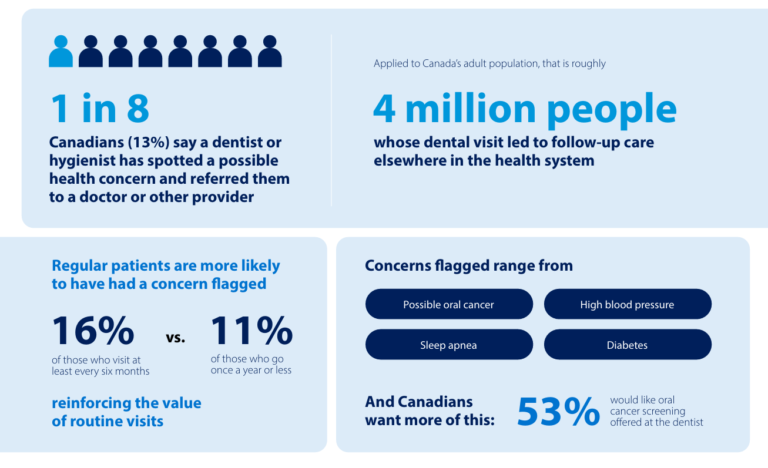
It’s been conclusively shown that expanding a dental practice’s role in the patient’s overall healthcare management would immediately generate noteworthy, improved health outcomes, close care gaps, and save the entire system billions of dollars.
But the system that sustains dental practice does not integrate well with the general healthcare system. These two systems have different paradigms, different purposes, different values, different commitments, different intended results, different ‘DNA.”
DSOs (Dental Service Organizations) or solo private practices are designed and operated to succeed in a for-profit, disease-repair, enhance-cosmetics, wealth-accumulating, expanding EBITDA ecosystem. Primary care responsibilities would mess this all up.
If primary care responsibilities were imposed, the scope of practice would have to expand, which would cost the practice time and money. Time and money for additional personnel, equipment costs, alteration in malpractice coverage, the additional staff training, the inclusion of medical billing, the interruptions caused by having to communicate with physicians, labs, and hospitals in real and virtual time.
Primary care responsibilities would cause a breakdown in the dental system and require the system to reformulate itself. Delivering primary care would increase downside risk, increase liability and impact the bottom line.
The nature of phenomenon is that a metasystem has the power to reshape its subsystems to serve the metasystem’s continued existence. In this case, the entire healthcare system is meta at US$3.8 – 41 trillion dollars, whereas the dental system, at US$200 billion, less than 5%, of the healthcare system. Therefore, the dental system is undoubtedly a subsystem.
The metasystem needs dentistry’s subsystem to reduce its cost, improve patient health, and close care gaps. In addition, the meta-system needs dentistry to treat seniors for the obvious reasons; they are the population with the most chronic and expensive diseases states.
When we apply systems thinking to the future, the dental system as constituted will experience a significant breakdown in form and function over the next decade because the meta-system will make requests that cannot be declined. As a result, the dental system will be integrated much deeper into the healthcare system. Glacier speed at first, but then it will move much more quickly.
It is the tyranny of the obvious. Expanding primary care’s reach without increasing resources “must” happen. The costs are too high and continue to escalate. The improved health outcomes far too obvious to ignore. The benefits far outweigh the costs. Not if, but when.
How will the dental system respond to being integrated by the meta healthcare system? If you are an entrepreneur, this is a blessing. If you are part of the old dental system, it is a curse.
 Written by Dr. Marc B Cooper
Elder and President
MBC Consultants Inc. LLC
More info on Dr. Marc B. Cooper can be found on LinkedIn or visit his consulting website Wisdom for Leaders.
Looking for a Job? Looking to Fill a Job? JoinDSO.com can help: Subscribe for free to the most-read and respected
resource for DSO analysis, news & events: Read what our subscribers & advertisers think of us: