Clinician’s Corner – Educational Content for Clinical Directors,
Chief Dental Officers, Clinical Boards and the Entire Clinical Team.
Sponsored by Bien Air
Even the most skilled dentist is limited without reliable, high-performance handpieces. Bien Air products are engineered with Swiss microtechnology, combining world-class precision with craftsmanship from the heart of Watch Valley. Designed for durability, balance, and exceptionally smooth, quiet operation, Bien-Air handpieces support a full spectrum of procedures—from restorative dentistry and endodontics to surgery and implantology, delivering consistent performance clinicians can trust.
The Rise of Integrated Dental Technology
In the rapidly evolving field of dentistry, the integration of advanced technologies plays a pivotal role in enhancing operational efficiency and improving patient outcomes. One of the most significant advancements in recent years is the development of integrated electric handpiece systems that can be integrated in any exiting dental units. This integration not only streamlines workflows but also optimizes the use of space and resources, ultimately benefiting both dental practitioners and their patients.
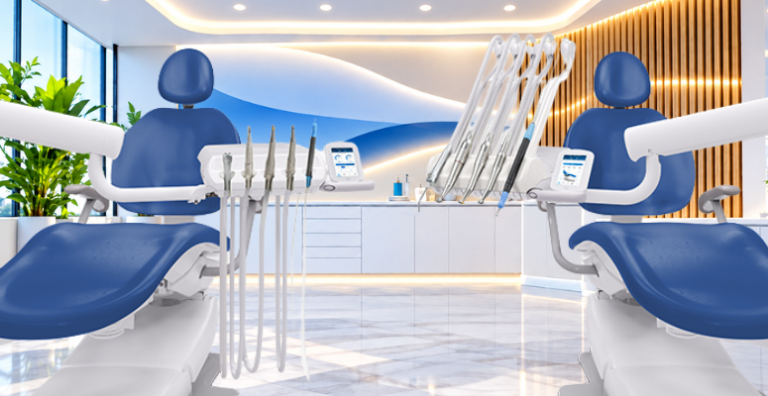
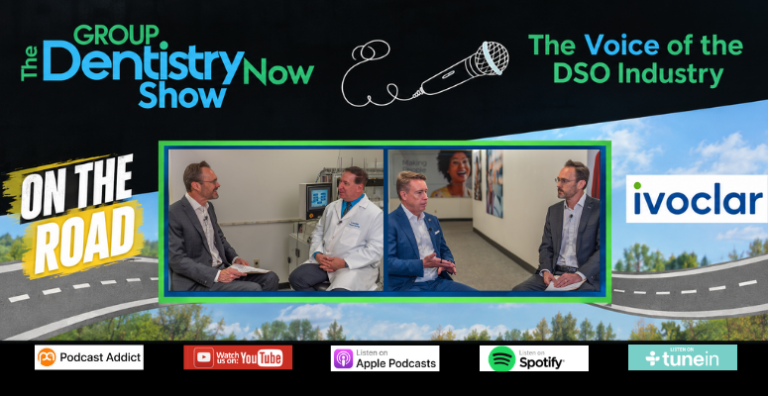
A key aspect of integrated electric systems is their ability to merge various functionalities into a single unit. Traditional dental units often require multiple external boxes for different procedures, such as endodontics or oral surgery, which can clutter the operatory and complicate the workflow. In contrast, modern integrated systems, such as the Optima INT and iOptima, offer a seamless solution by consolidating these functions into one compact and user-friendly interface. This innovation allows dental professionals to perform a range of procedures—from restorative work to complex surgeries—without the need for cumbersome external equipment. As highlighted in a recent podcast discussion among industry leaders, this integration is particularly beneficial for multi-specialty practices by providing a more efficient and organized operatory environment.
Efficiency, Versatility, and Enhanced Patient Care
The advantages of integrated systems extend beyond mere convenience. For dental service organizations (DSOs) and private practices looking to expand their offerings, these systems represent a strategic investment in versatility and adaptability. The iOptima, for example, is designed to accommodate a variety of specialties, allowing practices to easily incorporate oral surgeons, endodontists, and implantologists into their services. This flexibility not only enhances the capabilities of the practice but also enriches the patient experience by providing comprehensive care under one roof. The ability to perform high-speed and slow-speed restorative procedures, endodontics, oral surgery, and even piezo scaling—all from a single integrated system—empowers clinicians to deliver high-quality care efficiently.
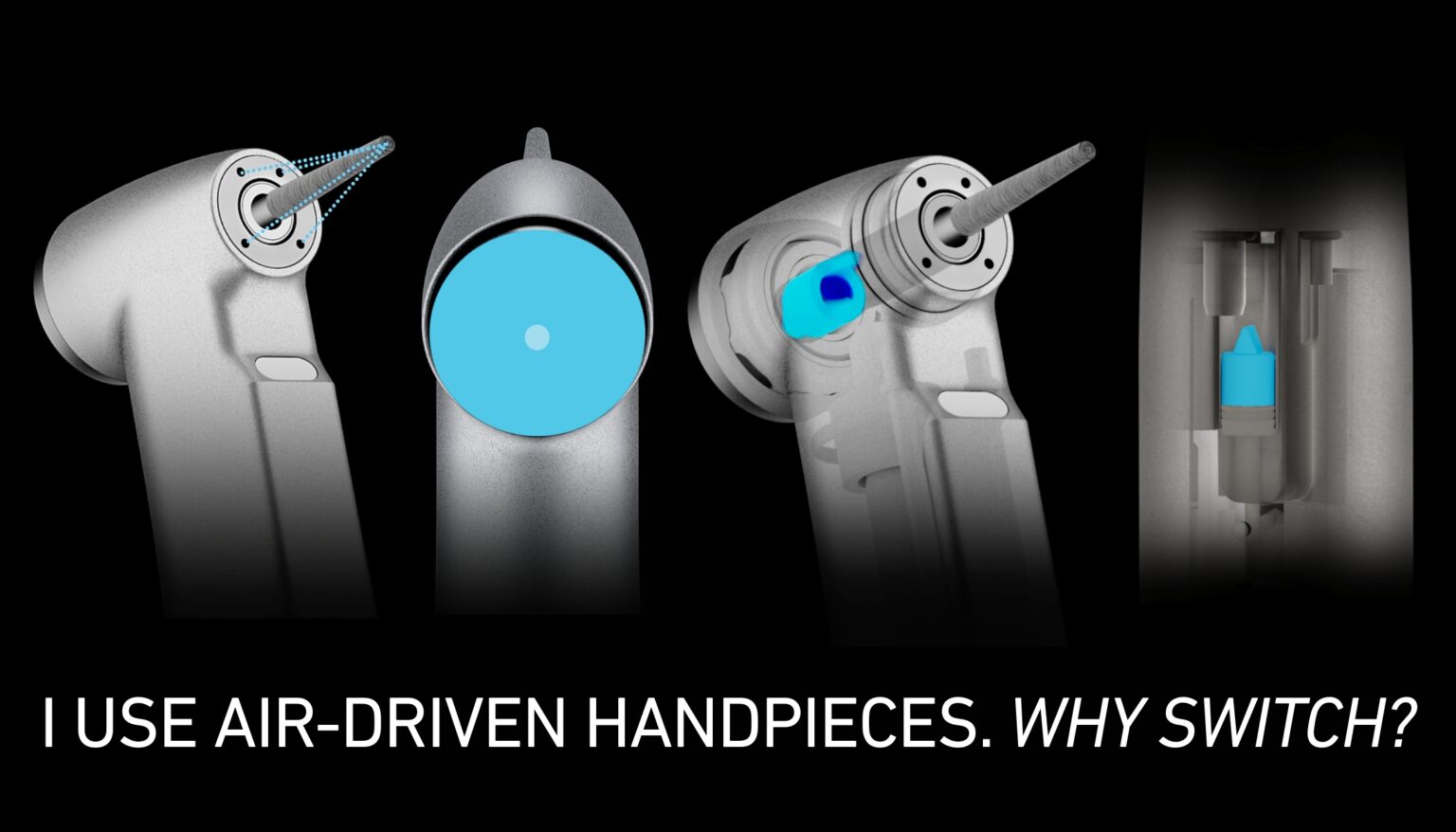
Moreover, the integration of electric handpieces within these systems is a gamechanger for dental workflows. Electric handpieces offer extremely low noise level, superior precision, reduced vibration, and enhanced control compared to traditional air-driven handpieces. This technological advancement translates to improved clinical outcomes, as practitioners can perform procedures with greater accuracy and less discomfort for patients. As industry leaders like Brad Pingle emphasize, the shift towards electric handpieces is not merely about adopting new technology; it is about fundamentally enhancing the quality of dental care.
Bien-Air’s Nova Series electric attachment, recently recognized on Dentistry Today’s Top 100 Product list, is the company’s flagship solution. This shortest, lightest, and smallest attachment is known for its reliability and high-quality construction. Nova features an anti-retraction valve and a ceramic push button to prevent overheating, ensuring patient safety even at 200,000 RPMs. The real innovation lies in the combination of the motor and attachment, offering all-speed versatility with smooth, stall-free performance. Bien-Air continues to showcase the Nova Series to give clinicians firsthand experience of its power and precision.
The electric micromotors offer a “milling versus feathering” technique, providing constant, powerful torque that easily cuts through zirconia, enamel and PFMs. This efficiency saves clinicians significant time and reduces hand fatigue, improving both workflow and patient experience. What sets Bien-Air apart is the Nova Micro Series handpiece paired with the MX2 Plus motor, an all-speed solution that is compact, ergonomic, and versatile. Clinicians can perform high-speed crown removal, slow-speed caries removal, and polishing using a single handpiece simply by switching bur types. This reduces the number of handpieces required per operatory, streamlines procedures, and maximizes ROI. By combining precision, reliability, and ergonomic design, Bien-Air’s all-speed handpieces simplify the life of a dentist while supporting a more efficient, patient-focused operatory.
Training the Next Generation for Modern Practice
The impact of integrated dental systems is particularly evident in educational settings, where the next generation of dentists is being trained. By incorporating electric handpieces and integrated systems into dental curricula, educational institutions are ensuring that future practitioners are equipped with the skills and knowledge necessary to excel in modern dental environments. This educational focus is crucial, as it prepares graduates to navigate the complexities of contemporary dental practice and to leverage technology effectively for improved patient care.
Bien Air has focused significant resources on dental education through its University of Success program, which is now implemented in over 55 of the approximately 70 dental schools in the U.S. From D1 to D4, students are trained on Bien Air electric handpieces, giving them familiarity and comfort with this advanced technology early in their careers. This exposure not only helps shift the marketplace toward electrics but also ensures that graduates enter private practices, DSOs, or community health centers equipped with the skills to provide high-quality, efficient care. By learning proper technique with high-speed and low-speed electric handpieces, students develop precision, reduce hand fatigue, and gain time-saving workflows, all of which translate into better patient outcomes and streamlined operatories once they begin practicing professionally.
The Bien-Air Academy is a unique educational platform designed to support both universities and dental practices in transitioning from air-driven to electric handpieces. Originally built for dental schools, it provides resources on proper use, maintenance, and the benefits of electric systems. The Academy has since expanded to DSOs, dealer partners, and practicing clinicians, offering guides, expert insights, and product information. By combining education with high-quality products and strong support, Bien-Air Academy helps dentists confidently adopt electric technology and optimize their workflows.
The Future of Efficient Dentistry
The integration of electric dental systems into existing practices represents a significant advancement in the efficiency and quality of dental care. By streamlining workflows, enhancing operational capabilities, and improving the overall patient experience, these systems are transforming the landscape of dentistry. As dental professionals embrace this technology, they not only enhance their own practices but also contribute to a broader movement towards improved dental health outcomes. The future of dentistry is undoubtedly leaning towards these innovative tools, and the ongoing integration of electric handpieces into dental education will ensure that the next generation of dentists is well-prepared to meet the challenges of an evolving industry.
To learn more, contact Brad Pingle at brad.pingle@bienair.com

Watch an interview with Brad Pingle here: