

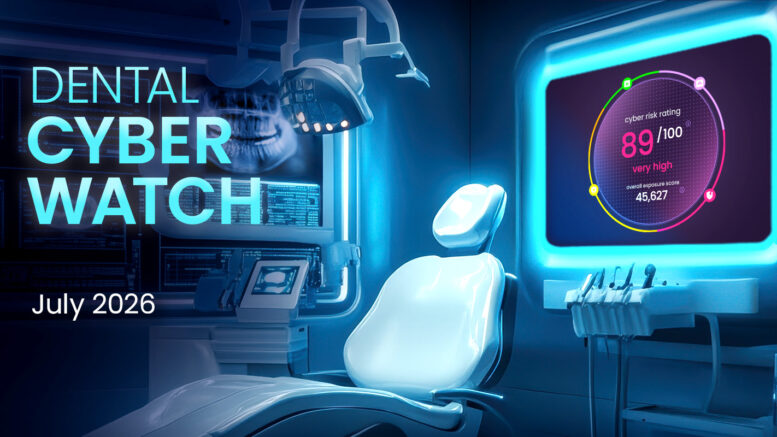
DentaQuest recently experienced a cybersecurity breach involving unauthorized access to part of its network, with the ShinyHunters extortion group claiming it stole 234GB of data tied to about 2.6 million accounts. DentaQuest has not confirmed the number affected but says its systems remain operational and that it is working with cybersecurity experts, forensic investigators, and law enforcement to determine the full scope of the incident.
The recent cyberattack affecting 1-800-DENTIST should serve as a wakeup call for every leader in the dental industry. While the organization itself operates on a national scale, its breach reinforces a much larger truth: cybercriminals no longer choose victims based on size, they choose them based on opportunity.
In recent months, multiple independent dental practices, specialty groups, and healthcare organizations have also disclosed cybersecurity incidents involving ransomware, stolen patient information, business email compromise, and operational disruption. Some were single location practices. Others were regional organizations. Their common denominator wasn’t revenue, employee count, or number of locations. It was the existence of exploitable security gaps.
The message for today’s dental leaders is simple:
Every dental organization is a target. The difference is not whether attackers will attempt to gain access. The difference is how quickly vulnerabilities are identified and eliminated before they are exploited.
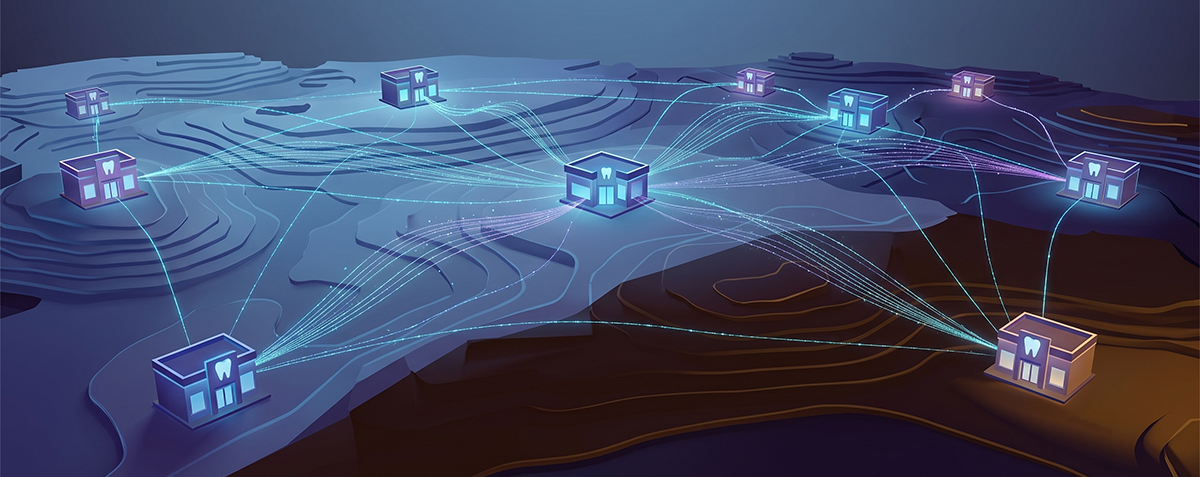
The Threat Has Changed
Cybercriminals no longer spend months selecting individual targets. They use automation and artificial intelligence to continuously scan the internet looking for exposed systems, compromised credentials, vulnerable software, weak authentication, and poorly protected email environments.
Your organization isn’t competing against another DSO or another private practice.
You’re competing against the thousands of other organizations whose cybersecurity posture may be weaker than yours…or stronger. The organizations that become victims are often simply the easiest ones to compromise.
Every Practice Is at Risk. DSOs Have the Greatest Exposure.
A ransomware attack against a single location dental practice is disruptive.
A ransomware attack against a DSO can become an enterprise crisis. The larger and more connected the organization, the greater the operational and financial consequences.
For a DSO, a significant cyberattack can result in:
- Simultaneous disruption across dozens or hundreds of supported practices
- Inability to access cloud-based practice management or imaging systems
- Loss of scheduling, billing, and revenue cycle operations
- Delayed or cancelled patient care
- Regulatory investigations and HIPAA compliance obligations
- Class action litigation
- Damage to enterprise valuation and investor confidence
- Significant reputational harm affecting recruiting, patient acquisition, and future growth
The financial impact extends far beyond the ransom itself. Recovery often requires weeks or months of forensic investigations, legal counsel, regulatory response, technology restoration, public relations support, patient notifications, credit monitoring, overtime expenses, lost production, and executive time diverted from strategic initiatives.
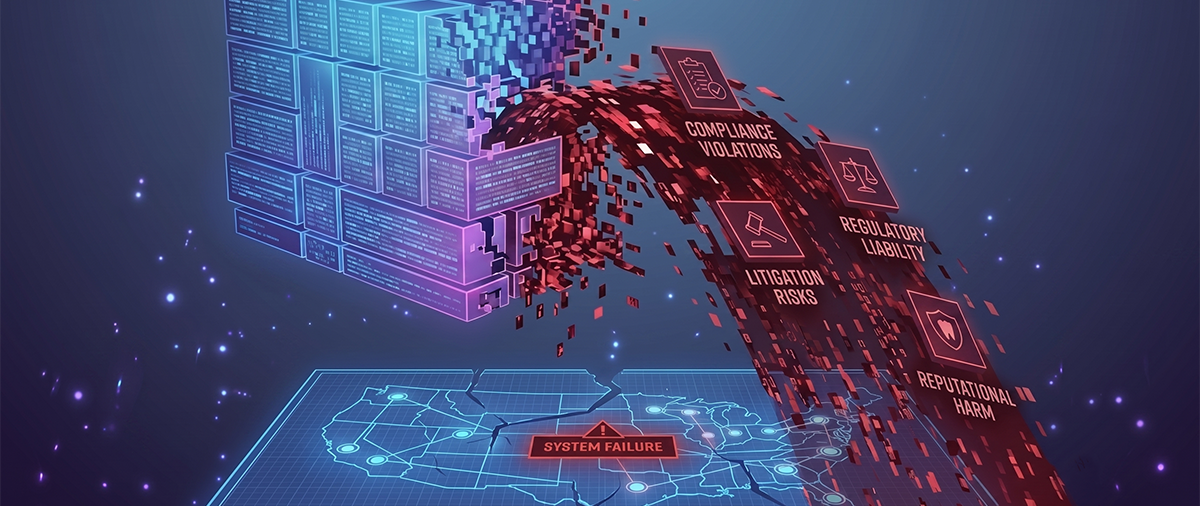
For organizations pursuing acquisitions, recapitalization, or private equity investment, the long-term consequences can be even more significant. Cybersecurity has become a key component of enterprise due diligence. A major breach can increase cyber insurance costs, reduce valuation, delay transactions, and create lasting concerns about governance and operational maturity.
Simply put, while every practice can become a victim, DSOs have exponentially more to lose.
Annual Security Assessments Are No Longer Enough
Many organizations continue to rely on annual penetration tests, periodic vulnerability scans, antivirus software, and occasional employee awareness training.
These remain important components of a cybersecurity program. They are simply no longer sufficient.
- Threat actors operate continuously.
- New vulnerabilities emerge daily.
- Cloud environments change constantly.
- Artificial intelligence allows phishing campaigns to be created in minutes instead of days.
- A clean security assessment performed three months ago provides little assurance that your organization remains secure today.
- Cybersecurity has become a continuous operational responsibility, not an annual compliance exercise.
Continuous Threat Exposure Management Is Becoming Essential
Leading healthcare organizations are increasingly adopting Continuous Threat Exposure Management (CTEM) to move from reactive cybersecurity to proactive risk reduction. Rather than waiting for an annual assessment to uncover security weaknesses, CTEM continuously identifies, validates, prioritizes, and helps remediate exposures across the enterprise before attackers can exploit them.
This includes ongoing visibility into:
- Internet facing vulnerabilities
- Identity and access risks
- Cloud security misconfigurations
- Third party exposure
- Privileged account weaknesses
- Newly discovered software vulnerabilities
- Emerging attack paths across the environment
For executive leadership, CTEM provides something equally important: visibility.
Boards, CEOs, COOs, CIOs, and CTOs gain a clearer understanding of enterprise cyber risk, allowing them to prioritize investments based on measurable business impact rather than assumptions.
Email Remains the Fastest Path into Healthcare Organizations
While vulnerabilities often receive the headlines, email continues to be one of the primary entry points for ransomware and data breaches. Today’s phishing emails are highly personalized, professionally written, and usually generated with artificial intelligence. They impersonate vendors, executives, referral partners, financial institutions, insurance companies, and even internal employees.
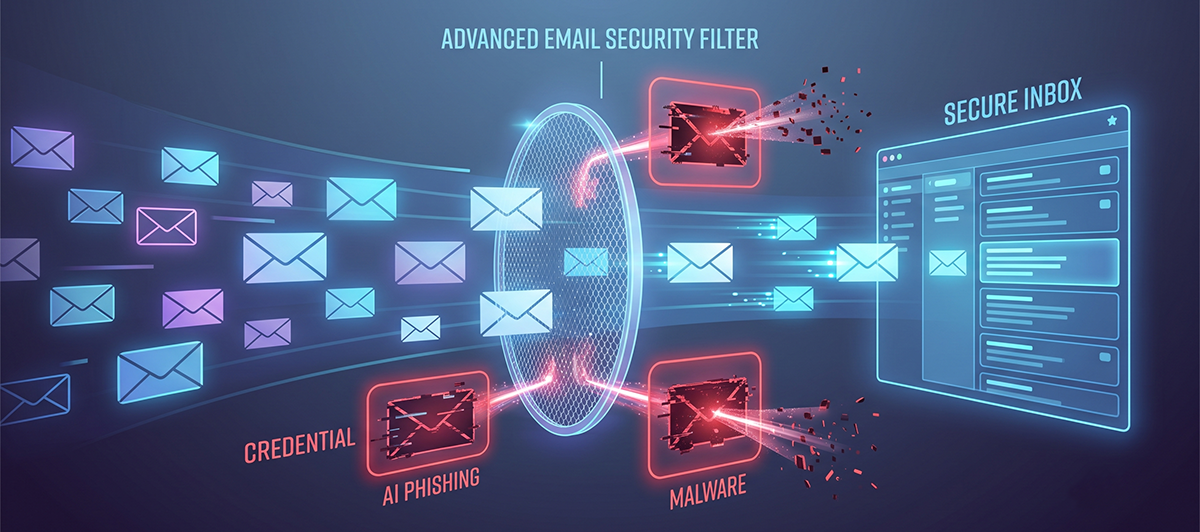
One compromised email account can quickly lead to credential theft, business email compromise, unauthorized wire transfers, patient data exposure, and enterprise-wide ransomware deployment. For this reason, advanced email security should no longer be viewed as an optional layer of protection. It is a foundational component of every modern cybersecurity strategy.
Leadership Defines Cyber Resilience
The organizations best positioned to withstand today’s threat landscape are not necessarily those spending the most money. They are the organizations whose leadership recognizes that cybersecurity is now an enterprise risk, not simply an IT responsibility. Cyber resilience requires executive oversight, continuous visibility, modern email protection, and a commitment to reducing risk every day rather than measuring it once or twice each year.
The breach at 1-800-DENTIST should not be viewed as an isolated event affecting a well-known organization. It should be viewed as another reminder that no dental organization is immune. Size no longer determines who gets targeted.
Preparation determines who is least likely to be breached and who recovers quicker. For independent practices, Continuous Threat Exposure Management and advanced email security significantly reduce the likelihood of becoming the next victim. For DSOs, they are rapidly becoming business imperatives that protect patient care, preserve enterprise value, maintain investor confidence, and ensure operational continuity.
In today’s threat landscape, cybersecurity is no longer just about preventing a breach.
It is about protecting the future of the organization. If you’re unsure about your organization’s security posture in 2026 or interested in learning more about what is missing from your current security stack, reach out to Black Talon Security today to schedule a complimentary consultation with a Security Risk Specialist.

🚨 Recent notable healthcare cyber incidents:
Emerging reports indicate that Access Dental & Orthodontics, with offices across Texas and in New Mexico, Illinois, and Indiana, may have suffered a data breach. A June 5, 2026 post on dark web scraping website Ransomware.Live indicates that threat actor Worldleaks has taken responsibility for the possible cyberattack, estimated to have occurred on the same day the post was made. The nature or scope of the information that may have been compromised in the reported Access Dental data breach is not yet known. Access Dental, which provides care to over 150,000 people annually, had not confirmed these reports at the time this post was made.
DentaQuest recently experienced a cybersecurity breach involving unauthorized access to part of its network, with the ShinyHunters extortion group claiming it stole 234GB of data tied to about 2.6 million accounts. DentaQuest has not confirmed the number affected but says its systems remain operational and that it is working with cybersecurity experts, forensic investigators, and law enforcement to determine the full scope of the incident.
Hackers claim to have stolen data from 1-800-Dentist and are threatening to publish the files online. The Russian-linked cybercriminal group listed the Los Angeles-based dental referral service and business-to-business (B2B) marketing solutions firm on its dark victim blog. The Qilin ransomware gang is threatening to publish a cache of sensitive files potentially linked to millions of individuals and dental practices after the group claims to have exfiltrated data from the US-based healthcare organization. The referral service handles information for roughly two million callers a year and works with thousands of dental practices nationwide. If the claims are true, the fallout could extend far beyond the patients and dental practices who use the referral service.
Dental Cyber Watch is sponsored by Black Talon Security, the recognized cybersecurity leader in the dental/DSO industry and a proud partner of Group Dentistry Now. With deep roots within the dental and dental specialty segments, Black Talon understands the unique needs that DSOs and dental groups have when it comes to securing patient and other sensitive data from hackers. Black Talon’s mission is to protect all businesses from the devastating effects caused by cyberattacks—and that begins with a robust cyber risk mitigation strategy. To evaluate your group’s current security posture visit www.blacktalonsecurity.com.